Exploring the cultural significance of casinos in modern society
The Historical Roots of Casinos
Casinos have a rich history that can be traced back to ancient civilizations where games of chance and skill were common forms of entertainment. The earliest known gaming houses emerged in Italy during the 17th century, setting the stage for modern casinos. As gambling became more organized, these establishments transitioned from informal gatherings to sophisticated venues, reflecting the culture and values of their times. For those interested in modern gaming options, our guide offers insight into online pokies that are popular among players today. This evolution reveals how integral games of chance have been in human society, influencing both leisure and social interactions.

By the 19th century, casinos had proliferated throughout Europe and the United States, becoming symbols of both glamour and vice. The lavish interiors of places like Monte Carlo and Las Vegas showcased a culture where wealth and status intertwined with risk and reward. These establishments often served as social hubs, bringing people together from various backgrounds, thereby promoting community interaction and cultural exchange. This historical backdrop highlights how casinos have been part of the social fabric, shaping various cultures over centuries.
In contemporary society, the historical significance of casinos is still evident. They are often seen not just as gambling venues but as entertainment complexes that host shows, fine dining, and nightlife. This transformation signifies a shift in cultural perception, where casinos are embraced as multi-faceted entertainment hubs. Their historical roots continue to influence modern designs, themes, and operations, underlining the ongoing importance of these institutions in shaping cultural landscapes.
Casinos and Economic Impact
Casinos significantly contribute to local and national economies through job creation, tourism, and revenue generation. In areas where casinos operate, they often become a primary source of employment, providing thousands of jobs ranging from dealers to hospitality staff. This influx of jobs not only boosts the local economy but also provides residents with opportunities for career advancement and skill development. The economic ripple effect can be profound, benefiting various sectors such as retail, hospitality, and transportation.
Moreover, the tourism industry thrives on the allure of casinos, attracting millions of visitors annually. Cities renowned for their casinos, such as Las Vegas and Atlantic City, have built entire economies around the concept of gambling tourism. These destinations often feature luxurious accommodations, world-class dining, and entertainment options, further enhancing their appeal. This convergence of gambling and tourism illustrates how casinos can drive economic growth while also shaping cultural perceptions of leisure and entertainment.
However, the economic impact of casinos extends beyond immediate revenue generation. They often contribute to community development projects, infrastructure improvements, and public services through taxes and charitable contributions. Such financial benefits can have lasting effects, providing resources for education, healthcare, and public safety initiatives. As a result, casinos become not just venues for gaming but also vital partners in community development, emphasizing their multifaceted role in modern society.
Social Interactions and Community Building
Casinos serve as modern social gathering places, promoting interaction among diverse groups of people. They foster connections among visitors who share a common interest in gaming and entertainment, creating a sense of community that transcends cultural and social barriers. Many patrons view casinos as places to socialize, celebrate milestones, or unwind, thus enhancing the overall gaming experience. This social dynamic transforms casinos into more than just gaming venues; they become integral parts of the community fabric.
The role of casinos in facilitating social interactions is further amplified by special events, tournaments, and themed nights that attract various demographics. These events often encourage players to engage with one another, share strategies, and build friendships based on shared interests. By creating an inclusive atmosphere, casinos promote a sense of belonging among patrons, making them a significant venue for socialization in modern society.
Moreover, casinos often contribute to charitable endeavors, hosting events that support local causes and initiatives. Through fundraisers and community events, they engage with residents beyond the gambling sphere, reinforcing their commitment to social responsibility. This engagement strengthens ties between casinos and the communities they inhabit, highlighting their role not only as entertainment venues but also as active participants in community welfare.
The Cultural Perception of Gambling
The cultural perception of gambling has evolved significantly over time, reflecting societal changes in attitudes toward risk and leisure. In many cultures, gambling was once viewed as a morally ambiguous activity, associated with vice and excess. However, in contemporary society, this perception is shifting as gambling becomes more mainstream and socially acceptable. With the rise of online gaming and regulated casinos, more people are embracing gambling as a legitimate form of entertainment.
This shift in perception is evident in how gambling is portrayed in popular culture, from films and television shows to literature and music. Casinos are often depicted as glamorous settings, embodying notions of wealth, excitement, and social prestige. This romanticized portrayal contributes to the normalization of gambling in society, leading to a broader acceptance of casino culture. However, it also raises important questions about responsible gambling and the potential risks associated with it.
As gambling becomes increasingly integrated into everyday life, discussions surrounding its cultural implications continue to grow. Advocates argue for the importance of promoting responsible gambling practices, ensuring that individuals can enjoy gaming without negative consequences. This dialogue underscores the need for a balanced understanding of gambling’s place in modern culture, emphasizing both its entertainment value and the responsibility that comes with it.
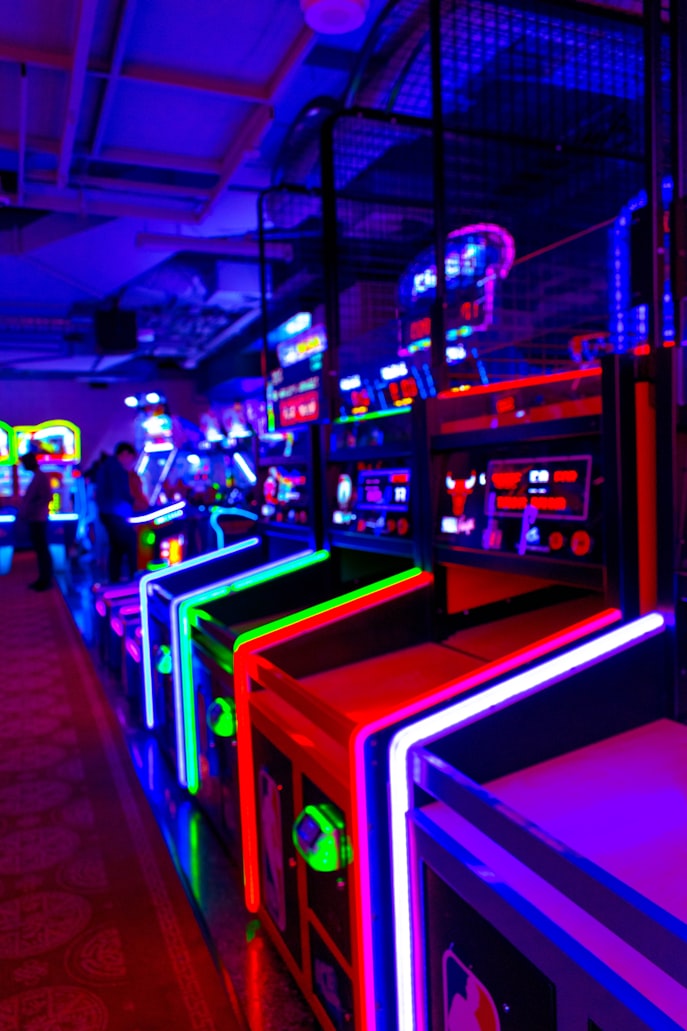
Conclusion: Casinos as Cultural Icons
In summary, casinos play a multifaceted role in modern society, serving as cultural icons that reflect historical significance, economic impact, social interactions, and changing perceptions of gambling. They are not merely places for games of chance; rather, they embody a complex mix of entertainment, community engagement, and economic development. This unique position highlights the cultural significance of casinos as they adapt to contemporary societal norms and expectations.
As society continues to evolve, the role of casinos will undoubtedly transform further, responding to changing tastes, technologies, and cultural attitudes. In this dynamic landscape, casinos must navigate the challenges and opportunities that arise, ensuring they remain relevant and responsible contributors to the cultural narrative. The ongoing conversation surrounding their impact emphasizes the importance of viewing casinos as integral parts of the modern cultural fabric, deserving of exploration and understanding.